

Powerful People Development and Assessment
All our courses will be…
Completely Tailored to your requirements
Highly practical – everything linked back to your reality
Interactive – group discussions, role-plays, presentations
Different – provocative, light-bulb moments, get you thinking
Collaborative – learning from each other, growing together
Behavioural focus – transfer to action & embedding habits
Life skills - not just management or leadership skills
Holistic – mindset, influence & skills – delivering results
High Performing Teams
Content Overview

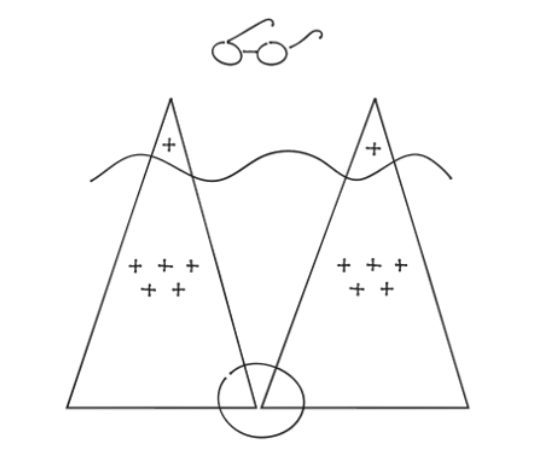

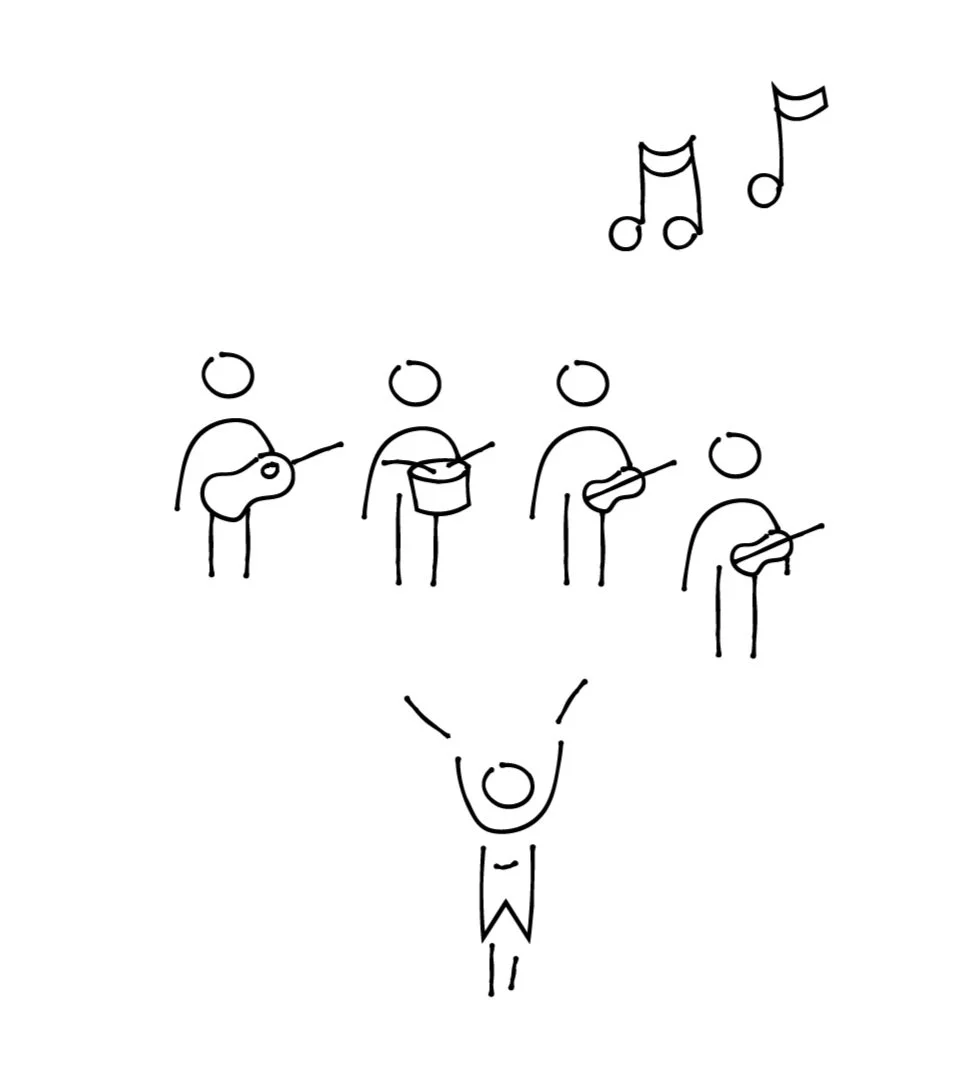
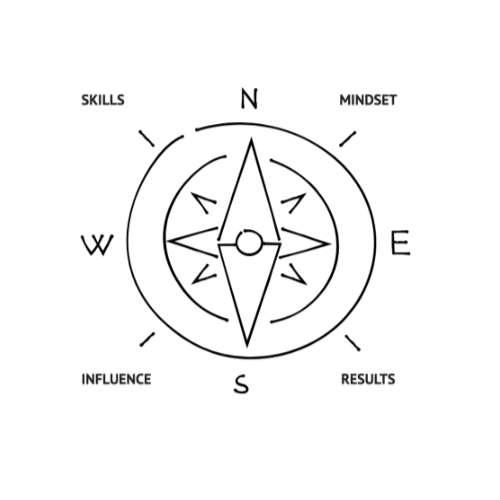
-
Visions for a high performing team
Laser focus on priorities and team goals
Passion for continuous improvement
Positive attitude for collaboration
Focus on strengths and value of each team member
Personal responsibility
-
Understanding of personal influence on the team and colleagues
Improved impact on others and how to create positive momentum
Improved Communication and a stronger team bond
-
Understanding the team dynamic
Deep understanding of individuals and more effective ways of working
Praise & recognition
Exchanging feedback and having difficult conversations
Dealing with underperformance
Being a role model
Balancing stakeholder and team requirements
Understanding the components and levers for high performance
Enjoyment and celebrating success
-
Being a role model
Courageous decision making
Principles of Leadership
Inspiring vision
Highly effective meetings
Leading change
-
Clear understanding of role & contribution to the team
Clear business and team KPI’s
Improved team performance
Increased confidence & resilience
Best practice toolkit to manage self and the team
Greater positivity & proactivity
Strong peer relationships & collaboration
Team Development: What it looks like:
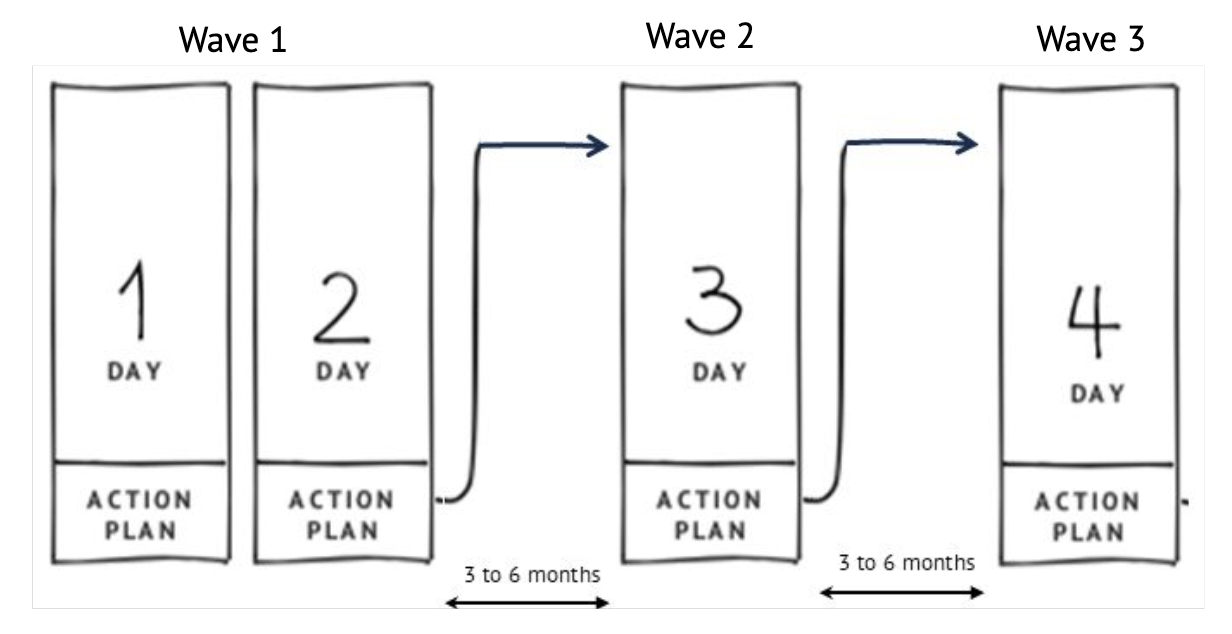
The objectives and needs of the team will determine the content, duration and activities of the team development programme. It ranges from defining business strategy and team goals to agreeing high performance and implementing a clear action plan. It will include creating a deeper understanding of each team member to create more effective team collaboration and improved team performance. The programme structure will be agreed with the programme sponsor and team leader, and a typical programme is shown below.
Preparation including psychometric to understand the personal preference of individuals and team members to establish best ways of working
Defining team high performance and measures. Review of team and areas for improvement, Team Activities, Action Plan
Team Review: Areas for improvement, Team Activities, Action Plan
Team Review: Continuous Improvement, Embedding across the organisation, Action Plan
Ongoing development plans, coaching, memory aides, internal ways to embed and enliven learning
Insights
Who is it aimed at & why should you implement it?
Individuals and teams and businesses interested in personal, team or cultural development
Deep understanding of yourself, your Strengths, Weaknesses and Communication style
Raised awareness of recognising others and how to adapt and connect with others to improve collaboration and influence
Interactive and fun – exercises, group discussions
Different – provocative, light-bulb moments, get you thinking
Collaborative – learning from each other, growing together
Facilitated direct feedback– but in a safe, environment
Behavioural focus – only actions generate results!
Holistic approach – full personal development
Strong scientific basis and credible tool (c20 page individual report)
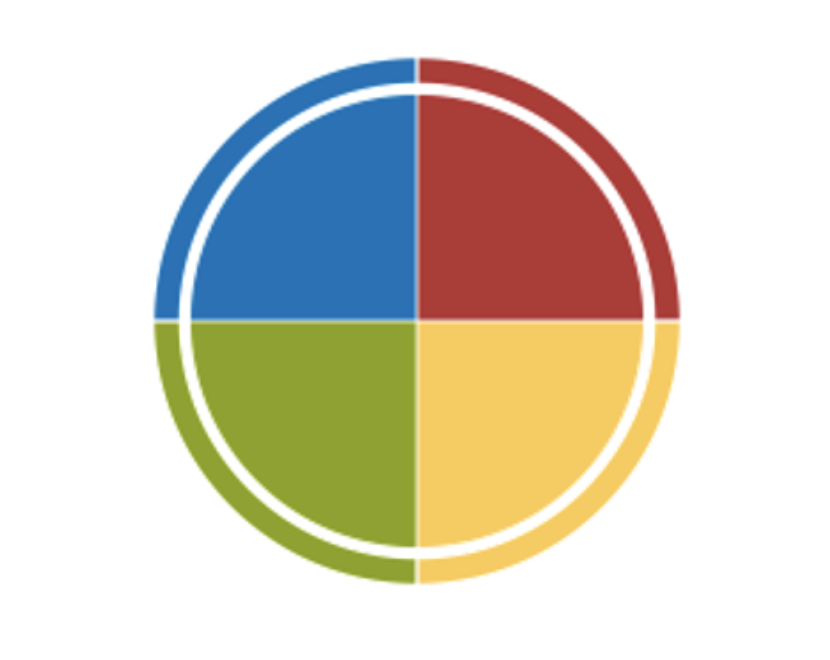
INSIGHTS™ into Personal Preferences – Content


-
How we see our self & how others may see us
Understanding others
Team make up & dynamics
Understanding preference & perception
Impact of stress
-
Understanding the basic profiles
Identifying your own type
Clues to types – profiling others
Adapting our personal style
Validation of personal profile
Individual report
-
Facilitated feedback using reports on:
Strengths
Possible weaknesses
Value to the team
Dos and don’ts of communication
-
Greater self-awareness
Open to further personal development
Basis & language for future communication & interactions
Profiling of organisational/team strengths & weaknesses
Foundation for cultural development
Coaching
1 to 1 - Executive Performance Coaching
-
Hansen Beck Executive Coaching provides personalised, results-driven support for executives and high-potential employees — helping them build self-awareness, enhance leadership capability, and deliver sustained performance improvement.
-
Our coaching is designed to elevate leadership capability — helping individuals build self-awareness, emotional intelligence, and the power to inspire and influence others. Integrated with Hansen Beck’s behavioural development programmes, this approach ensures leaders don’t just learn new skills but embed lasting behavioural change that drives performance across the organisation.
-
Coaching at Hansen Beck goes beyond individual growth — it’s about driving success in the real context of an executive’s role and the organisation’s goals. Our approach creates a powerful partnership between the coach, the individual, and key stakeholders, aligning expectations and outcomes to ensure every coaching journey delivers measurable value and tangible results.
-
Leaders gain deeper self-awareness and clarity of purpose
A mindset of continuous personal growth emerges
Teams develop a common language for communication and collaboration
Organisational strengths and challenges become visible and actionable
The groundwork is laid for a high-performance culture that endures
What it looks like
We offer three tailored coaching programmes — each designed to meet the unique needs of our clients and their organisations. While every programme follows our proven Hansen Beck methodology, no two coaching journeys are the same. Each can be fully customised to suit the goals, context, and schedule of the individual and the organisation.
Full Service and On-Demand
Executive Performance Coaching
Best for senior & C‑suite leaders
Scheduled
Performance & Support Coaching
Focused goals within a defined timeframe
Scheduled
Essential Coaching
For leaders new to coaching
Sessions: 8 flexible, on‑demand sessions (incl. out‑of‑hours)
Support: 24‑hour response via email/message during programme + 3 months post
Stakeholder Meetings: 4 — 1 tripartite; 2 reviews (midway & close‑out)
Duration: 12 months
Evaluation: Insights Assessment + two 360° reviews (pre & post)
A full‑service experience with continual access and measurable results.
Sessions: 6 pre‑scheduled sessions
Support: Email support between sessions
Stakeholder Meetings: 2 — 1 tripartite; 1 end‑review
Duration: 8 months
Evaluation: Insights Assessment + one 360° review
Structured development with guidance and accountability.
Sessions: 6 monthly sessions
Support: N/A
Stakeholder Meetings: 1 kick‑off (stakeholders optional)
Duration: 6 months
Evaluation: N/A
A focused introduction to coaching and behavioural growth.
HANSENBECK360™
Content Overview

-
Designed for organizational leaders and candidates for leadership positions. Behaviours evaluated are broad and generic.
Assessment structure and analysis are based on the findings of several academic studies combined with content of our own leadership development curriculum
-
Evaluators are selected in consultation with both the participant and the stakeholders responsible. (participant’s direct supervisor, direct subordinates and peers)
At least 12 evaluators. All participants should have interaction with the participant and are able to offer a meaningful appraisal of the leadership attributes of the participant
-
Each section consists of several questions that require a response on a scale 1-5.
For each behavioural scale, the evaluator clicks the number that best reflects the participants’ behaviour in relations to their leadership.
The key to the successful completion of the assessment tool is for the evaluator to read each behavioural scale closely and they are instructed to go with their first impression.
-
Responses marked on a scale of 1-5. The average response for each question is calculated and the average for each section is given. This will result in an overall leadership score. If the assessment is part of a company programme, we will also calculate the average for the group and the participants can compare their scores against the averages for each section and overall.
What it looks like
The Why
By utilising our decades of experience, Hansen Beck business experts and trainers have applied a proven, hands-on, practice-oriented methodology in our 360 to help the development of long-lasting, positive behavioural change within your individuals and business.
How to use it
Our 360 tool can be used as a standalone assessment or as a great way to gauge ROI on our training and coaching programs
What it does
help leaders gain insights into their strengths and areas for improvement from a range of perspectives
provide a more balanced and comprehensive understanding of overall performance and effectiveness
assess leadership skills, capabilities, performance, and behaviours holistically.
provide an opportunity for the subject to reflect and compare their self assessment with the assessment of others
Project Management
Project management: What does it look like?
Our PMI certified Project Management trainers will take you through key aspects of every level of Project Management: Project Management, Programme Management and Portfolio Management. We cover all critical aspects from Project Governance to Risk Management and Dependencies. Just like all our other programmes, Project Management has a dual focus with "hard" project management skills complemented by Behavioral Change and Habit Formation, Influencing and Communication skills.
Example modules from Project Management 1:
- Risk Management
- Influencing Upwards
- Business Cases and ROI calculations
- Steering Group Influence
- Project Governance
- Negotiation Skills
- Dependencies Management
- Project Communication

Presentation Skills
Content Overview
-
Presentation preparation
Positive mindset
Know the audience
Influence
Rules on Feedback
-
Influential Presentations – technique and tips
Impact – Take Off and Landing
Presenter Influence and Control
Audience Involvement
Powerpoint – do’s and don’ts
How to use presentation tools effectively
-
Business presentation to a specific customer.
Business Presentation and interacting with the audience to create action.
Key Learning and Action Plan
-
The online environment
Managing the screens and audience
Interaction and use of the whiteboard
-
Increased confidence & resilience
Best practice toolkit to apply to presentations
Methodology for planning and delivering
Value-focussed consultative approach
Shared experience & language for more effective collaboration
Presentations Skills - What it looks like
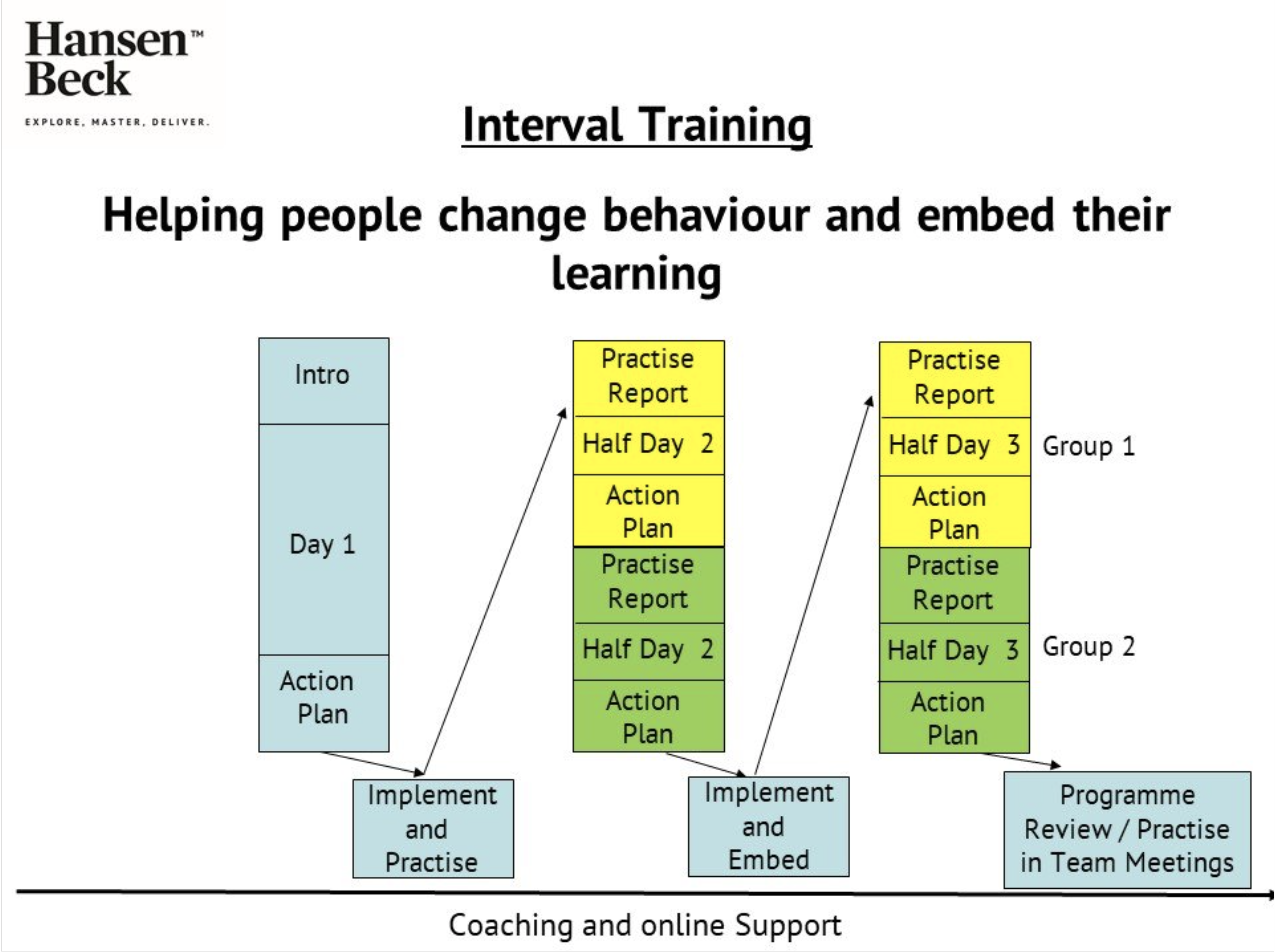
Interval Training helps embed learning and helps deliver behavioural change
Report back to peers on what you have used and the results you have generated
Ongoing development plans, memory aides, internal ways to keep the learning alive, further potential follow-up and advanced workshops
Linking the training to practical initiatives to drive change
Contact Us
For more information on any of our Management and Leadership courses drop us a message today.